When it comes to levies, no bone likes being under the radar of the Canada Revenue Agency( CRA). Every time, Canadians file their levies with the stopgap that everything goes easily, but miscalculations can be. In 2026, duty crimes can be particularly expensive, with further frequent checkups and scrutiny from the CRA. Understanding the most common duty miscalculations can help you avoid gratuitous hassles and keep the CRA from knocking on your door.

In this composition, we’ll break down the top duty miscalculations Canadians make in 2026 and show you how to steer clear of these risks. From simple form crimes to more complex issues, we’ll companion you on how to keep your levies clean, accurate, and biddable. Whether you’re form as an individual or a small business, these tips will help you stay ahead of the game and avoid unwanted scrutiny from the CRA.
Key Insigth Table
| Topic | Details |
|---|---|
| Common Mistakes | Missing income slips, filing errors, misreporting deductions |
| Top Pitfalls to Avoid | Over-claiming deductions, missing deadlines, misclassifying income |
| Potential Penalties | Fines, interest charges, and audit risks |
| Practical Advice | Organize records, file on time, and double-check your return |
| Key Resources | CRA official website: www.canada.ca/en/revenue-agency |
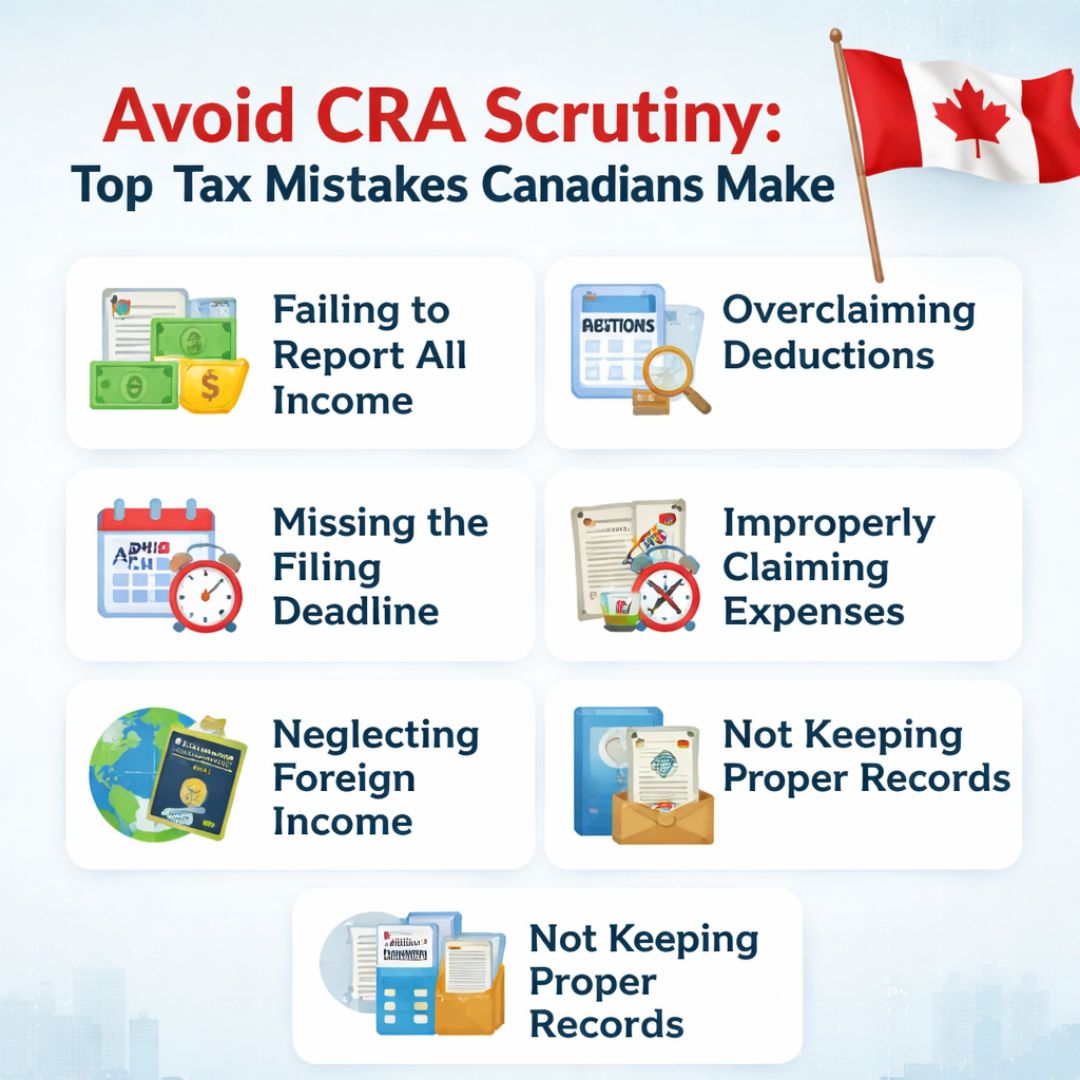
Why CRA Scrutiny is on the Rise
The Canada Revenue Agency( CRA) has ramped up its enforcement in recent times, and this trend is anticipated to continue in 2026. The CRA has invested in technology to cross-check data more efficiently, making it easier to spot disagreement. They also use artificial intelligence to descry unusual patterns that may indicate fraudulent geste or misreporting.

For Canadians, this means that being careless or sloppy with your duty forms could snappily lead to further than just a fine — it could mean a full inspection. So, to avoid drawing attention from the CRA, you need to be apprehensive of the most common miscalculations that could spark their scrutiny.
1. Missing or Incorrect Income Slips
One of the most common reasons the CRA flags a duty return is missing income. The CRA formerly has a lot of your income details because employers and other fiscal institutions submit this information directly to them. still, if you fail to report all of your income, indeed from side gigs or freelance work, the CRA can fluently cross-check against their records and spot disagreement.
Example: If you work for a company that pays you a payment but also freelance on the side, you might forget to include your freelance income on your duty return. However, they might flag your return for a near look, If the CRA notices this.
Tip: Always insure that you report all forms of income, indeed those you might not admit a formal slip for( like tone- employment income, tips, or gig work). Double- check your T4s, T5s, and other duty slips before form.
2. Filing Without Full Information
Another mistake that can get you into trouble is filing your levies before you have all the necessary documents. For illustration, if you file before you get your T4 slip from your employer or the T5 slip from your bank showing interest earnings, you’re likely to make an error.
The CRA uses the information from these slips to cross-check your income, so if there’s a mismatch, they’ll know.
Tip: Take the time to gather all needed documents before form. Rushing to meet deadlines can beget you to overlook important information, leading to expensive crimes.
3. Over-Claiming Deductions and Credits
It’s tempting to claim every possible deduction or credit you’re eligible for, but be careful not to go overboard. While it’s important to take advantage of deductions( like RRSP benefactions, medical charges, and charitable donations), you need to make sure that your claims are reasonable and backed by attestation.
Example If you’ve bestowed to a charity, keep the bills, and don’t claim a advanced quantum than what you actually bestowed. The CRA will check to insure that your donations match what you’ve reported.
Tip Be honest with your deductions. Only claim what you can prove with bills or supporting documents. However, it’s better to consult a duty professional, If you’re doubtful about certain claims.
4. Misreporting particular and Business Charges
For small business possessors, another frequent error is mixing particular and business charges. While numerous charges related to running a business are deductible, particular charges are not. However, the CRA will flag your return, If you claim particular charges as business- related.
Example If you claim a portion of your groceries as a business expenditure because you work from home, that could be a red flag for the CRA, especially if you don’t have proper records to back up the claim.
Tip Keep detailed records of your business charges. Use separate bank accounts and credit cards for business deals to make it easier to track and justify your charges.

5. Filing Late or Missing Deadlines
Still, you could face hefty penalties, interest on overdue levies, If you file your duty return late. The CRA is strict about deadlines and doesn’t take kindly to late forms.
In 2026, the CRA is cracking down on people who regularly file late. However, anticipate them to pay near attention to your returns, If you’re one of those people.
Tip: Set a memorial to file your levies before the deadline. However, train for an extension and make sure you don’t miss the final date, If you’re unfit to file on time.
6. Claiming Tax harbours and Aggressive duty Strategies
Duty harbours may feel like an seductive way to save plutocrat, but the CRA is largely suspicious of aggressive duty strategies and duty shelters. However, the CRA may probe your return and disallow your claims, If you share in schemes that feel too good to be true.
illustration Certain duty harbours promise to give huge deductions for minimum investment. However, you could face penalties, interest, If you share in one of these harbours and it doesn’t meet the CRA’s criteria.
Tip Avoid questionable duty harbours and seek advice from a certified professional before making any investment that claims to reduce your duty bill drastically.

Constantly Asked Questions
1. How does the CRA know if I’ve made a mistake on my levies?
The CRA uses a system that cross-checks information from employers, fiscal institutions, and government programs against the information you submit. However, your return is flagged for review, If there are disagreement.
2. What happens if the CRA checkups me?
still, the CRA will request fresh attestation to support your claims, If you’re audited. You’ll have to give bills, bank statements, and other substantiation to back up your duty return. Failing to do so could affect in penalties.
3. Can I appeal a CRA decision?
Yes, if you differ with a CRA decision, you can file an appeal within 90 days of entering the notice of assessment.
Conclusion
levies are complicated, but avoiding these common miscalculations can help you stay off the CRA’s radar. By icing that your income is rightly reported, your deductions are licit, and your forms are timely, you can avoid gratuitous scrutiny and keep your duty situation as smooth as possible.
Flash back always double- check your returns, keep accurate records, and if you’re ever by doubt, consult with a duty professional. Staying visionary and apprehensive of the common risks is the stylish way to avoid gratuitous checkups and penalties. For more detailed guidance, visit the sanctioned CRA website then