Starting in April 2026, the rules for Canadian passports will change in ways that could directly affect how much you pay and what happens if your application is late.
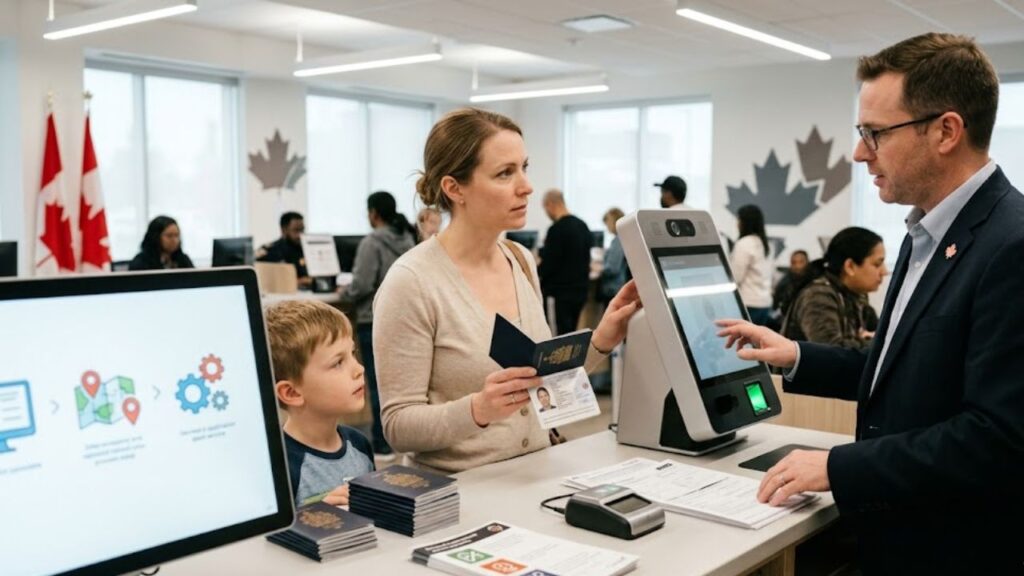
Starting this week, two big changes to the rules will change how Canadians get their passports, both at home and abroad.
One change raises the cost of passports, while the other gives you much stronger protection if the government doesn’t meet its processing standard.

These changes could affect how families plan their budgets for renewals, how travelers plan ahead, and what applicants can expect from the system in 2026.
New Rule #1: The cost of a Canadian passport goes up.
Canadians will have to pay more for their passports for the first time since 2013 major change.
The federal government has made it official that passport fees will go up on March 31, 2026.
This ends a 13-year freeze on passport prices that has been in place since Stephen Harper was Prime Minister.
Immigration, Refugees and Citizenship Canada said that the fee change is due to rising costs and inflation that have built up over time.
All standard passport applications sent in on or after March 31, 2026, will be affected by the new pricing structure.
A full list of the fees for new and old passports in Canada
| Type of Passport | Old Fee (Before March 31) | New Fee (after March 31) |
|---|---|---|
| 10-year adult passport | $160.00 | $163.50 |
| 5-Year Adult Passport (In Canada) | $120.00 | $122.50 |
| 5-year child passport (In Canada) | $57.00 | $58.50 |
| 10-Year Adult Passport (Outside Canada) | $260.00 | $266.25 |
| 5-Year Adult Passport (Outside Canada) | $190.00 | $194.25 |
| Child passport (Outside Canada) | $100.00 | $102.50 |
| Temporary Passport | $110.00 | $125.75 |
At first glance, the fee increases may not seem like much.
Families with more than one child who needs a passport renewal, on the other hand, could see their total costs add up over time.
Under the new fee structure, a family of four in Canada would pay $10 more to renew two 10-year adult passports and two child passports.
Why the cost of passports will go up every year
This is what most Canadians don’t know about this change. The increase on March 31 is not a one-time thing.
The Service Fees Act says that starting in 2026, passport fees will be linked to the Consumer Price Index.
This means that Canadians can expect small yearly increases that keep up with inflation from now on.
Rule #2: You have 30 days to get your money back.
This change could save you hundreds of dollars.
The federal government says that starting on April 1, 2026, it will process complete passport applications within 30 business days or automatically refund any fees paid.
You read that right. If the government doesn’t meet this deadline, you could get back your passport fees.
How the New System for Automatic Refunds Works
The best thing about this new policy is that you don’t have to do anything to get your money back.

- If the government doesn’t process your full application within 30 business days, they will automatically give you a full refund.
- You don’t need to ask for a refund; it will be given automatically if you qualify.
- You won’t have to do anything to get the refund.
How You Will Get Your Passport Money Back
| Place of Application | Refund Method |
|---|---|
| In Canada | Check sent to address |
| From the US | Check sent to address |
| Outside Canada (credit card) | Refund on credit card |
| Outside Canada (other) | Check or transfer |
The partial refund system that has been in place since February 2023 will no longer be available.
The new rule is much more generous. You now get all of your money back if the 30-day standard is not met.
Fees That Can’t Be Automatically Refunded
The Service Fees Act does not cover all passport-related fees for automatic refunds.
- The $25 consular fee for adult applications
- Fees for urgent or expedited passport services
- Applications for child identity cards and travel documents
Ranking of Canadian Passports in 2026
The Canadian passport is still one of the most powerful travel documents in the world.
The most recent Henley Passport Index says that Canada is now in 7th place globally.
Canadian passport holders can now travel to 182 places worldwide without a visa or get a visa on arrival.
Comparison of Canadian and American Passports in 2026
| Category | Canada | United States |
|---|---|---|
| World Ranking 2026 | 7th Place | 10th Place |
| Visa-Free Countries | 182 | 179 |
This means that Canadians can go to three more countries without a visa than Americans can travel.
Important Dates for Changes to Canadian Passports in 2026
| Date | What Happens |
|---|---|
| March 30, 2026 | Last day to apply with old fees |
| March 31, 2026 | New passport fees start |
| April 1, 2026 | 30-day money-back guarantee begins |
| April 2027 | First annual CPI-based fee increase |
These two changes are the biggest updates in years to Canada’s passport program.
Canadians will have to pay a little more, but will also get better service guarantees than ever before.
The new 30-business-day guarantee makes it easier to hold the system accountable and ensures automatic refunds for delays.
Questions and Answers (FAQs)
What if I send my passport application on March 30 but IRCC gets it on April 1?
The amount of the fee depends on when IRCC receives your application, not when you send it.
You will have to pay new higher fees if it arrives after April 1.
If my application is late because I didn’t send all papers, can I get a refund?
No, the guarantee only applies to complete applications submitted with all required documents.
Will the 30-day guarantee cover urgent passport services?
No, it does not cover urgent or expedited services like fast processing or transfers.
How long will it take to get a refund?
Refunds are processed automatically, but it may take some time to receive depending on method.
Can Canadian passport holders travel more than US holders?
Yes, Canadians can access more visa-free destinations, but this does not include work permissions abroad.