Children often surprise adults in unexpected ways. While we usually see ourselves as the teachers who guide and shape their behavior, there are many moments when the roles reverse. Through their innocence & honesty, children show a deep understanding of kindness & compassion that many adults have lost over time.
These everyday situations reveal something powerful. Children don’t overthink empathy. They simply live it. They respond with sincerity and emotional awareness that feels natural rather than forced. The following moments highlight how children often understand kindness & human connection far better than we expect.
Seeing the World Without Assumptions
One parent was called to school after their daughter wrote about her mother’s job in a way that caused confusion. The child described her mom being surrounded by men handing her money and arguing about who goes first. While it sounded inappropriate at first, the truth was simple. The mother worked as a retail clerk at an auto parts store during a busy sale.

What made the moment special was not just the misunderstanding but how the child recreated her mother’s work environment in class. She mimicked her actions and words with accuracy and pride. There was no judgment or embarrassment. Only admiration and observation. Children see the world as it is without the filters adults often impose.
Creativity Instead of Criticism
Another parent walked into the kitchen expecting trouble after finding their seven-year-old scribbling on the wall. Instead of meaningless marks the child had created a map of flavors from the fridge. The child organized food items by taste using colors and patterns.
Where an adult might see damage, the child saw creativity. This moment reflects a key difference. Children often focus on possibilities rather than mistakes. Their actions are driven by curiosity & not carelessness.
Empathy in Its Purest Form
A parent who accidentally missed their child’s soccer game expected anger or disappointment. Instead the child left a note & set multiple alarms to ensure the parent wouldn’t miss the next one.
This simple act speaks volumes. Rather than focusing on their own hurt feelings, the child thought about how to help their parent succeed next time. It’s a powerful reminder that empathy doesn’t always come from maturity. It often comes from genuine care.
Friendship Without Limits
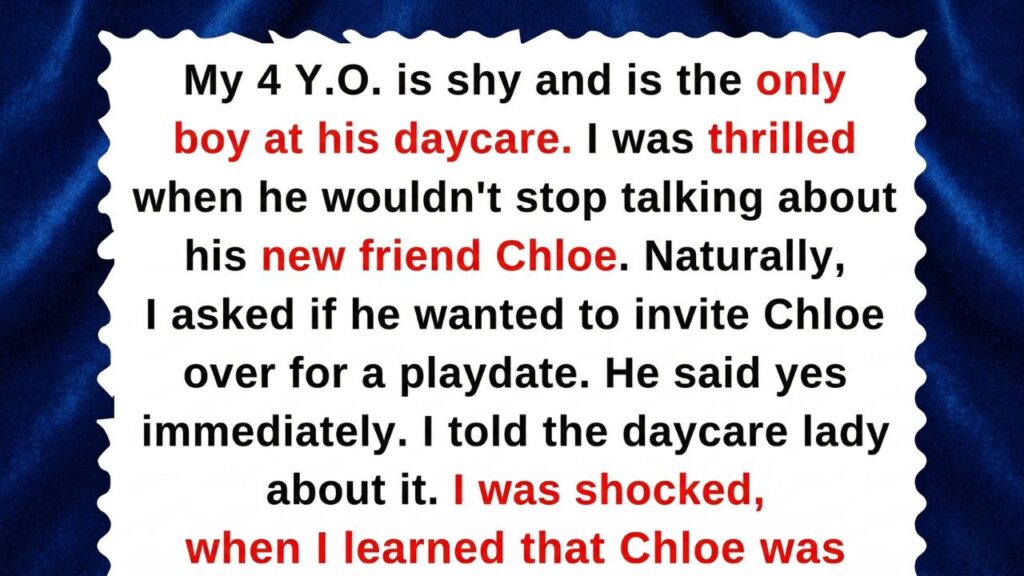
One parent was delighted to hear their shy four-year-old talk about a new friend named Chloe and eagerly agreed to arrange a playdate. Later they discovered that Chloe was actually the daycare’s cat.
While humorous this moment highlights something deeper. Children don’t place the same boundaries on relationships that adults do. They form connections based on comfort and joy & not social expectations.
Turning Problems Into Possibilities
When a child’s toy broke, the parent assumed it would need to be replaced. Instead the child calmly gathered supplies & transformed the broken toy into something new and exciting.
Rather than focusing on loss, the child focused on improvement. This ability to reframe problems into opportunities is a form of resilience that many adults struggle to maintain.
Imagination Meets Responsibility
A late-night request for help with homework might usually signal procrastination. But in one case a child had turned their assignment into a creative story complete with illustrations.
This moment shows how children blend responsibility with imagination. They don’t just complete tasks. They transform them into something meaningful and enjoyable.

Thoughtfulness in Small Details
A parent noticed their grocery list had been covered in scribbles. Stars and smiley faces and arrows. What seemed like a mess turned out to be a thoughtful guide created by their child. It highlighted favorite foods & encouraged healthier choices.
This quiet act of care reflects how children pay attention to details and express kindness in subtle but meaningful ways.
Emotional Awareness Beyond Words
After a stressful day one parent came home to find their child had created a family happiness plan. It included a schedule with time for games and relaxation & talking together.
Understanding Kindness Through Children Children naturally show us what compassion looks like in everyday life. Their actions often reveal a simple truth about human nature that adults tend to forget over time.
Finding Fair Solutions
Two siblings disagreed over a blanket but one suggested they take turns using it and then read together.
This shows how children understand fairness & cooperation naturally. They often find balanced solutions without needing adult help. after a long day expecting disorder but found the house clean and their child waiting quietly. When asked why the child said they thought it would make their parent happy. This captures the essence of kindness with no reward expected and no recognition needed.
What We Can Remember
These moments teach us about qualities that adults often overlook. Curiosity and empathy come naturally to children along with creativity and selfless kindness. As people grow older their responsibilities & stress can cloud these natural instincts.
Adults begin to analyze and judge situations that children approach with simplicity. Children show us that kindness does not have to be complicated. It does not require grand gestures or perfect timing.
Sometimes it means understanding someone’s feelings or offering help or finding joy in small things.
The Direct Approach Children express compassion differently than adults.
They act on what they feel without hesitation and do not question whether their actions are enough. Adults often hesitate because they worry about being misunderstood or overstepping boundaries.
In the process they sometimes do nothing at all. Children remind us that compassion is about intention rather than perfection.
The Core Message These moments highlight
a simple truth about how children understand kindness and compassion. Their actions come from genuine emotion and curiosity rather than expectations or social rules. By observing children we get a chance to reconnect with these qualities within ourselves. We remember to be more patient and creative and empathetic. The greatest lesson children teach us is that kindness does not need to be learned. It needs to be remembered.